
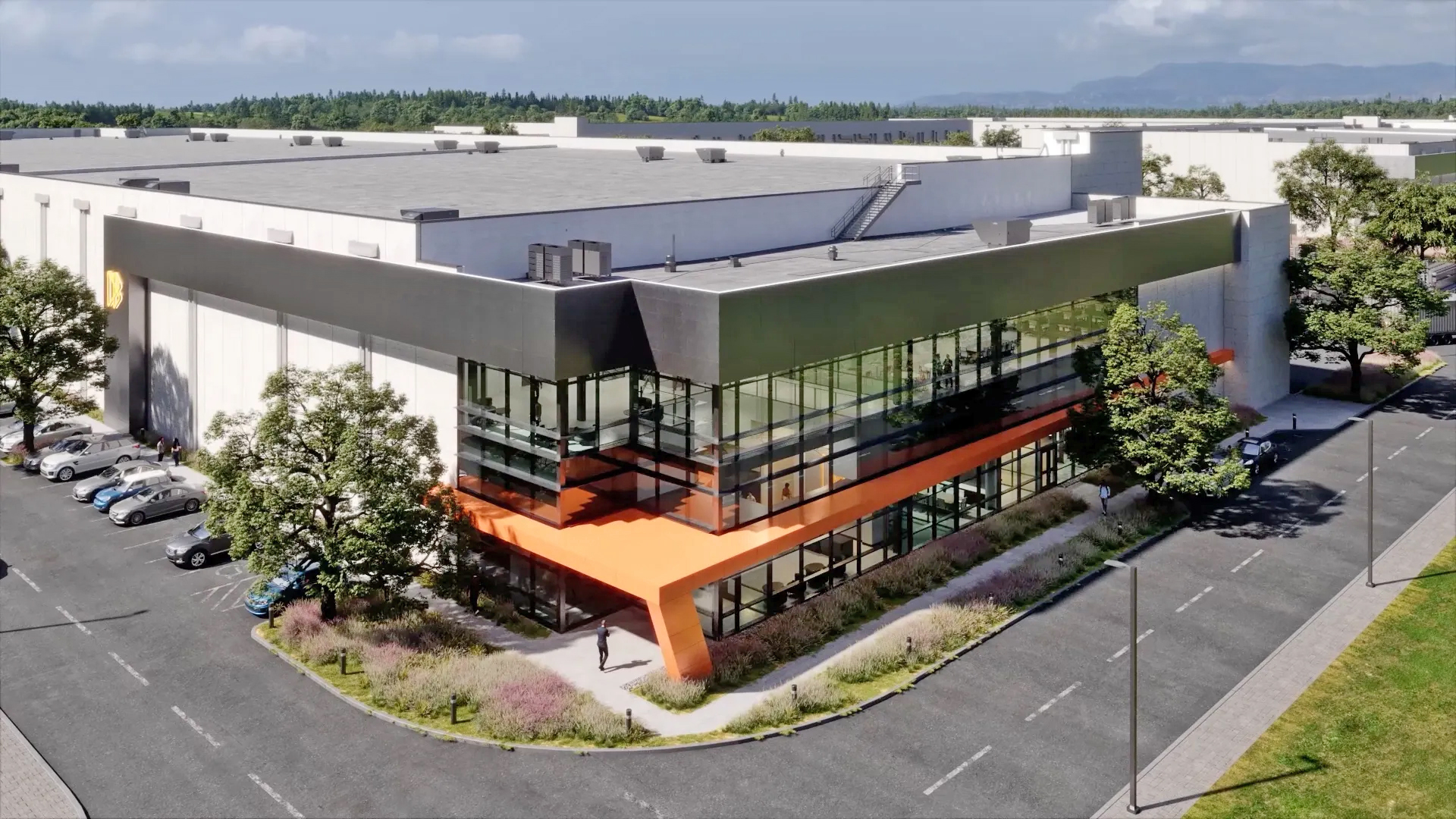
It is data center mania not only in Ellis County, or the in the state of Texas, but across the United States.
Welcome to The Good, the Bad and the Bandwidth, a weekly look at the pros and cons of data centers.
Industry project trackers have identified 14 data center projects in Ellis County, including operational, under-construction, announced, and permitting-stage developments.
The largest announced developments include:
Provident/PowerHouse: 24 buildings on 768 acres and up to 1.8 GW of power.
DataBank Red Oak: up to 8 buildings on 292 acres.
Google continues adding buildings at Midlothian and Red Oak.
Additional digital-commerce and data-center land developments are planned near Ferris and northern Ellis County.
Based on currently announced projects, Ellis County could realistically have up to 50+ individual data center buildings over the next decade if all approved campuses are fully built out.
In fact, it should come as no surprise that the county is emerging as one of the largest hyperscale data center corridors in Texas.
What can people do to manage the invasion while separating the misinformation from the truth.
Let’s begin by pointing out not all data centers are alike.
I am going to use two examples, but there are many others.
I toured a Stream Data Center in Garland a few weeks ago. This is a company also coming to nearby Wilmer.
The story is that these data centers are very loud. I did not find that to be the case at the data center I visited, but more on the ins and outs of that in a future column.
I ask a lot of questions, and I received a lot of answers, but the main talking point was data centers are being built for many different reasons.
To that end if they must come to town, why not invite only the friendly ones to join the party.
My research indicated Stream Data Centers in Garland/Wilmer build “wholesale” and “build-to-suit” hyperscale facilities, meaning they lease out entire buildings or massive private server halls to major companies rather than individual retail consumers.
While they did not tell me who their tenants were, I found mentioned more than 90% of their national inventory is leased to Fortune 100 enterprise users and hyperscalers and the names Apple, The Home Depot, Catholic Health Initiatives, were mentioned, but not confirmed.
Then there is the Red Oak data center situation.
That one would be very questionable as for getting an invite to my party.
DataBank is developing the new 480-megawatt mega-campus on 292 acres to feature eight separate two-story data centers (with Larry Ellison’s Oracle as the reported anchor tenant).
And when I say all data centers are not the same Oracle just keeps coming to mind.
Consumer model data centers lease private sector rooms/building wings and put corporate IT servers and employee databases inside with output used by internal employees and retail customers.
The second layer – Cloud Providers like Oracle – lease entire multi-building mega-campuses and house millions of commercial cloud servers and AI GPU clusters. Output is used by any external business or developer buying cloud access.
And we know Oracle works with Palantir and the latter is the one who works with the government intelligence agencies. Bingo.
Like I said, not all data centers are the same!