
FERRIS – “We are so big is an excuse not to improve.”
But, not a particularly good one.
Within the last few days, Dallas City Manager T.C. Broadnax was reportedly asked to resign.
Broadnax’s reply, “Periodic performance review is critical to me and all city employees to demonstrate progress and ensure transparency for our residents, taxpayers, and stakeholders.
“I am proud of the hard work which has led to accomplishment of many goals related to the city council’s eight strategic priorities and look forward to sharing the R.E.A.L. impact we continue to make to improve the lives of Dallas residents in ways that are responsible, equitable, accountable, and legitimate, together as One Dallas.”
What does this have to do with Ellis County?
Only the fact people in Ellis County have obviously noted the growth out this way.
And people in Ellis County do not want to deal with Dallas problems.
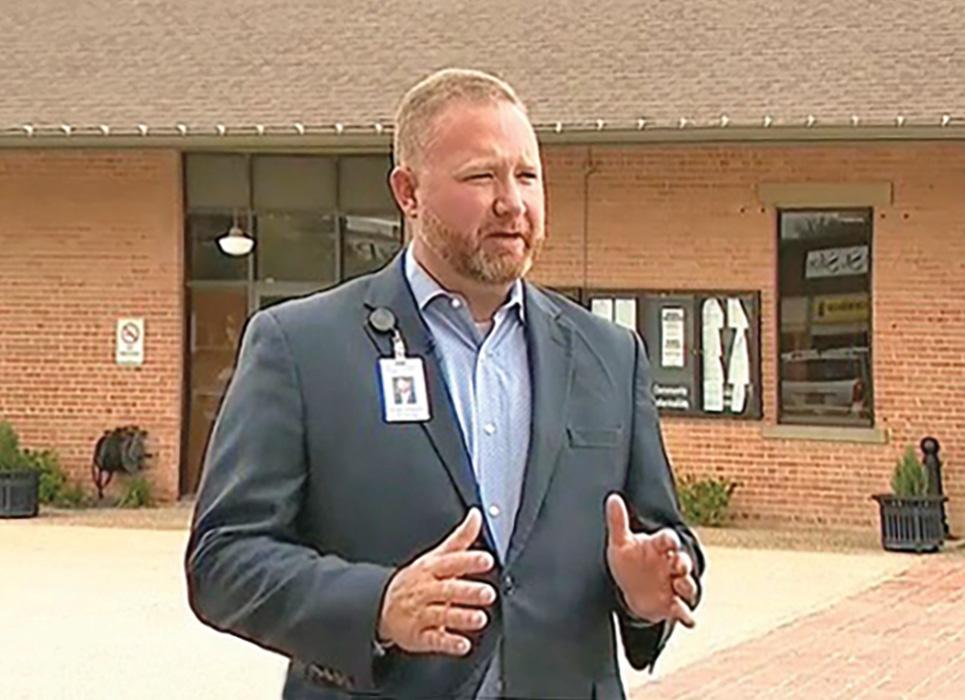
One city manager, Brooks Williams has, with in the last year, put Ferris on the map with free healthcare for residents, a free COVID clinic during the height of the pandemic, and a new build that is set to change the face of the city.
Williams said of the latest woes in Dallas, “You have to build a culture of customer service.
“From executive leadership down, it must be a culture where employees are fiercely committed to the mission of serving their customers.”
The city of Ferris certainly has done that.
“You walk in, and everyone related to development is in one spot and can answer questions and take payment,” Williams explained. “Down to even the fire marshal who participates in the CO process.”
Some of the big city issues Williams said that he would change to make a more effective customer service team are the same processes he changed when he arrived in Ferris in 2019.
“Processing permits, when I arrived, was taking a long time and affecting cost and customer satisfaction,” he explained. “The median time for processing a permit was 18 days, and the cost associated with it was ridiculous. The process started with a customer requesting a permit in person and ended with the customer receiving the permit. However, the voice of the customer is a priority for my administration, so we decided to involve one of their most frequent permit applicants – customer - and get feedback. We don’t refer to citizens much anymore, we say and believe they are our customer.”
The city has applied the Baldrige and Lean Six Sigma methodology, and there was a 90% reduction in processing time.
The team also brainstormed and carefully analyzed the probable causes of the problem allowing for proposed, prioritized, and evaluated solutions ideas.
The top solutions included the elimination of unnecessary steps in the process, the development of specific checklists, training for employees (on soft skills and technical), and a new online application.
“With a dedicated team the goal of reducing the processing time was successfully achieved. Some of the tools used through the DMAIC process were the SIPOC map, statistical data analysis, detailed process maps, time studies, cause and effect diagram, and mistake proofing,” Williams stated.
“After piloting and fully implementing the solution, the time for processing a permit substantially reduced from a median of 18 days to only one day, and in consequence the cost per permit was reduced. The replication opportunities identified were for other similar types of permits.”
As for cities that are struggling with customer service woes, when asked Williams said, “To better serve their customers, I would recommend establishing an all-in-one model that consolidates the process of development and permitting assistance into a single location. The city needs to make it the primary intake point for development, building permitting and most business licensing applications. It could also serve as a primary payment location for all building and over-the-counter construction permits, as well as most other city applications and licenses.”
With representatives from the Planning and Inspections Department, as well as other city departments involved in the development process, available to answer questions and offer guidance and assistance during the design, review and inspection phases of the development process the confusion is minimal overall.
“People want to believe that because a city gets big that no one understands their struggles or can make processes work like in smaller cities,” Williams concluded.
“The problem really is an over complication of fundamentals, acting like a ‘big’ city, losing sight of purpose, and not having fanatical employees focused on serving customers. My advice is get back to the basics.”
- Log in or Subscribe to post comments.