
There is something undeniably civilized about leaving Paris by train. In a world obsessed with speed, there is a distinct luxury in deliberately slowing down.
Consider the alternative: the chaotic dance of airport security lines, the endless waiting in drafty terminals, and the indignity of a tiny bottle of water priced like a fine bistro lunch. Instead, traveling by rail allows you to settle deeply into your seat, watch the Parisian suburbs melt away, and let the real France unfold outside your window. This is precisely how travel is meant to be experienced.
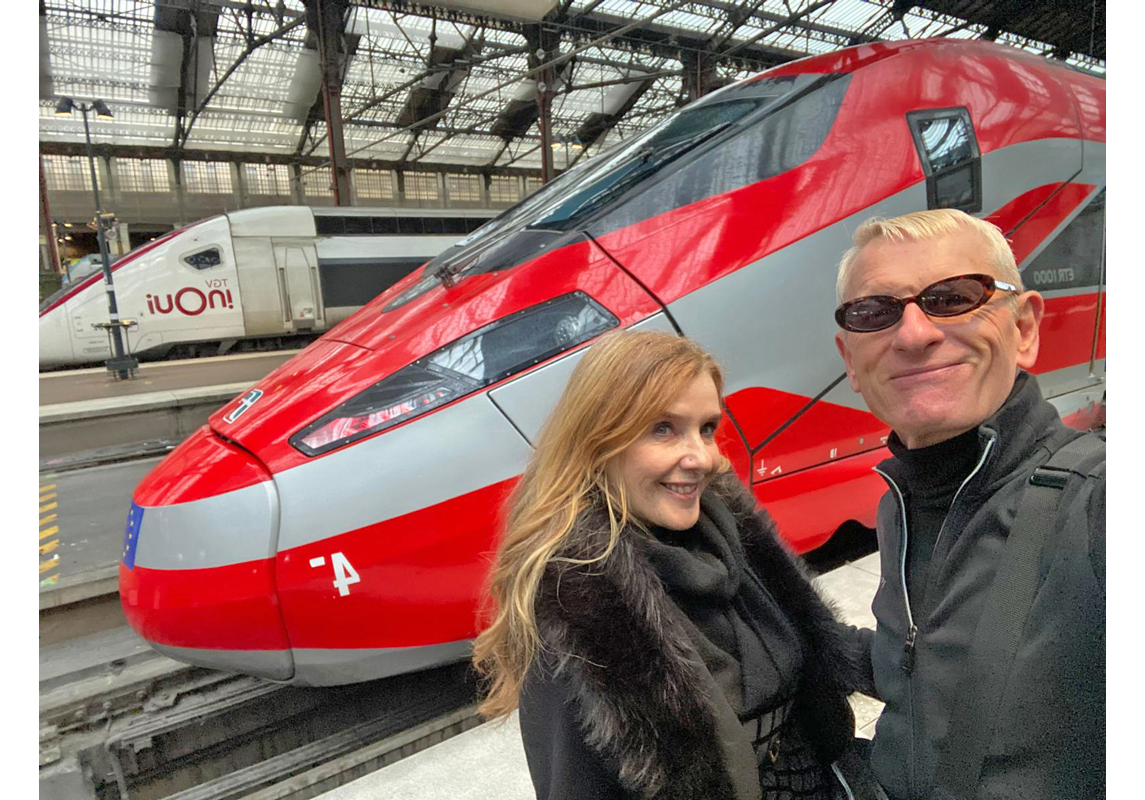
This past December, my journey south to Provence unfolded in just that spectacular, unhurried fashion. The adventure began at the Gare de Lyon aboard Trenitalia’s Frecciarossa, arrowing south toward Marseille. The route is a seamless three-and-a-half-hour breeze, slicing through Lyon Saint-Exupéry, Avignon, and Aix-en-Provence before pulling into Marseille Saint-Charles.
And just like that, the light changes, and you are in Provence.
After picking up a rental car at the station, my colleague and I bypassed the highway chaos and steered toward the Provence of myth and memory: a landscape of quiet fishing ports, honey-colored stone villages, crisp Mediterranean light, and restaurants where lunch gracefully stretches into an entire afternoon.
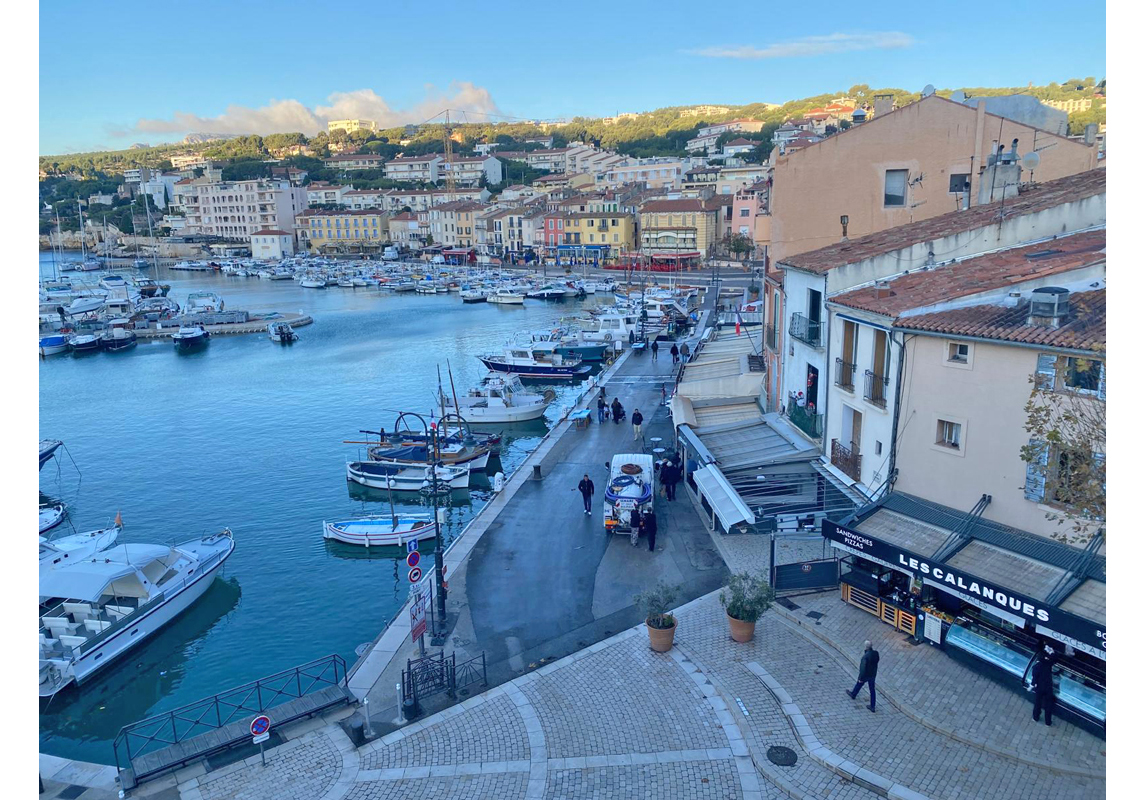
Our first destination was Cassis, and it arrived like a vision. We checked into the Hôtel Liautaud, a charming boutique property positioned right on the harbor. Cassis is a place that whispers rather than shouts. The fishing harbor takes center stage, framed by a pastel ribbon of cafés and restaurants, with the dramatic limestone cliffs of the Calanques rising majestically in the distance.
Visiting in December offers a completely different personality than the frenetic summer version. The crowds are gone, the pace is delightfully somber, and you can actually hear the water lapping against the boats. My advice for anyone following this path is simple: spend the afternoon wandering the old, tangled streets, and if the weather permits, hike toward the Calanques National Park where the cliffs meet the sea. Of course, wine must be on the itinerary. Cassis boasts its own celebrated AOC wines, making a local vineyard tasting an absolute necessity.
From the coast, we veered inland to the Alpes-de-Haute-Provence, arriving in the historic thermal town of Gréoux-les-Bains. Here, we stayed at the Hôtel & Spa Villa Castellane, a gorgeous 19th-century residence once tied to the Marquis de Castellane. With the town’s thermal baths located just across the way, it is a perfect sanctuary to pause and indulge in the atmosphere.
Moving to a new spot each day allowed us to experience the region’s shifting identities. Gréoux-les-Bains proved to be an exceptional base for exploring the rugged Verdon interior. My strongest recommendation here? Resist the urge to over-schedule. Sometimes the most profound thing you can do in Provence is absolutely nothing.
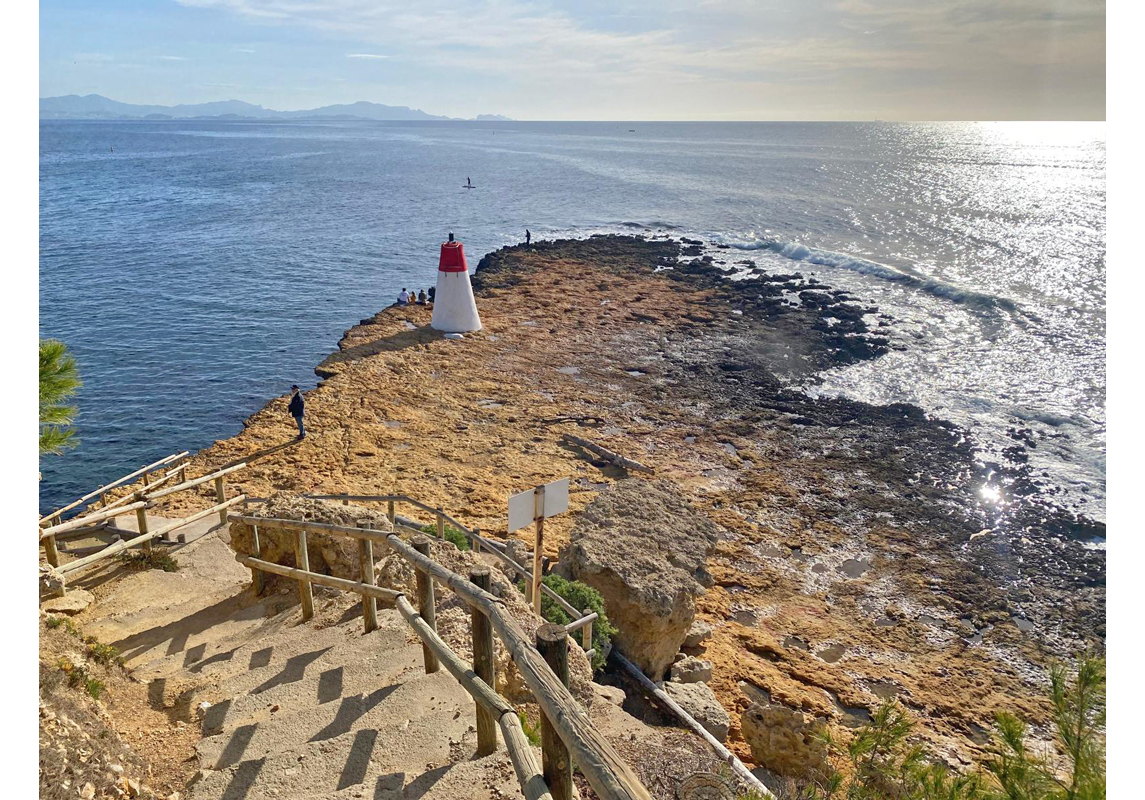
The next day drew us back to the sea, specifically to Carry-le-Rouet on the Côte Bleue, west of Marseille. It feels worlds apart from both Cassis and the inland valleys. Built around a bustling marina and a dramatic, rocky coastline, it calls for a classic French afternoon: find a sun-warmed spot by the harbor, order fresh seafood, and pour a glass of crisp white wine. That evening, we dined at L’Oursin, the intimate, gastronomic restaurant inside our hotel, Hôtel Bleu. Overlooking the quiet port, the meal was a masterclass in culinary elegance—worth every single aroma and moment.
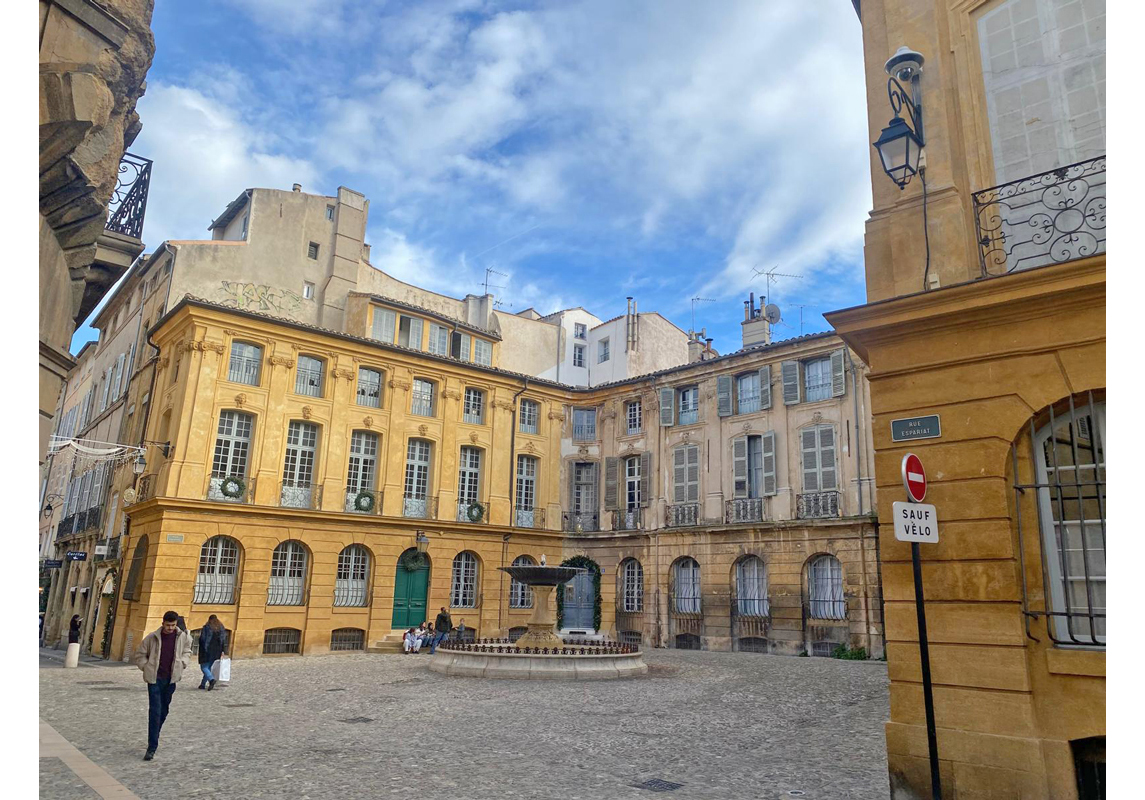
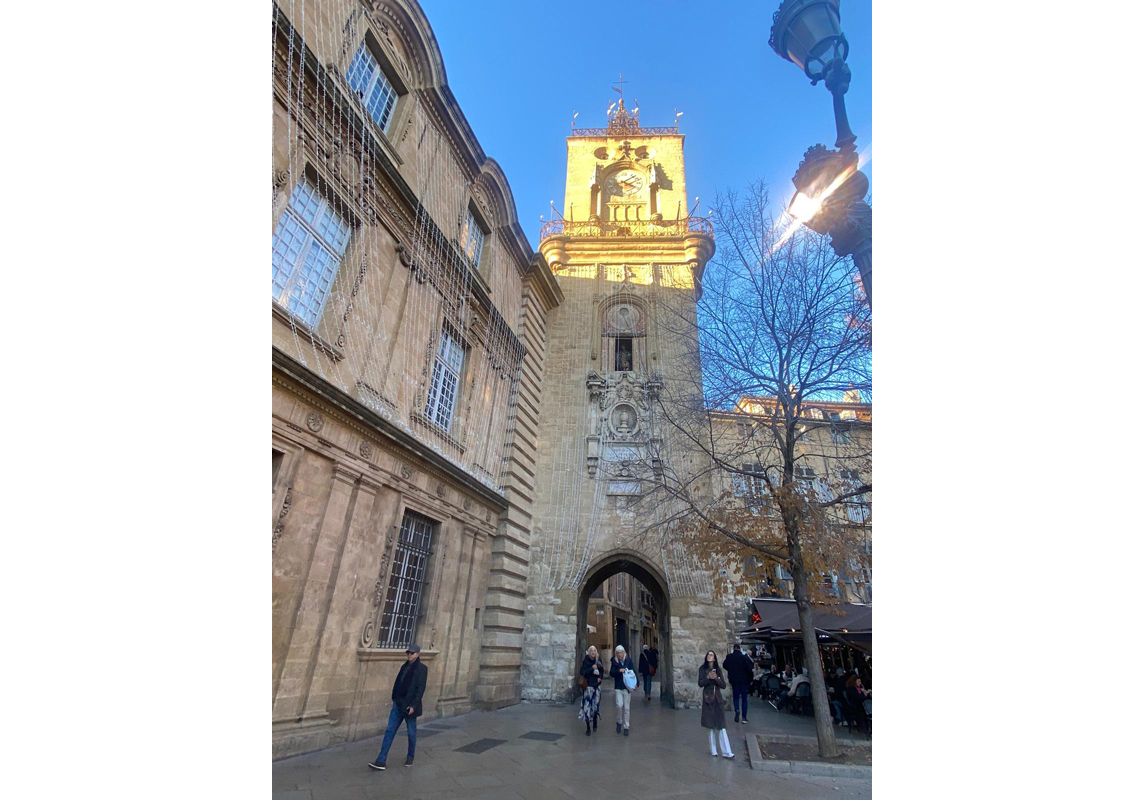
For the grand finale, we turned toward Aix-en-Provence, checking into the centrally located Hôtel Saint Christophe near the iconic Rotonde and Cours Mirabeau. This is the Provence of aristocratic boulevards, mossy fountains, vibrant markets, and the ghost of Cézanne.
December brings a spectacular bonus to Aix: the city absolutely loves Christmas. The streets come alive with brilliant holiday lights, chalets selling local crafts, and centuries-old Provençal traditions.
When it came time to board the train back to Paris, the transition felt seamless. That is the enduring magic of the rails – the transit itself becomes a chapter of the story, not just a blank space between destinations. This wasn’t a trip for checking off boxes or rushing through itineraries. It was a study in slow travel, and in the end, isn’t that the greatest luxury of all?
TRENITALIA’S PARIS-TO-MARSEILLE ROUTE
The Route
Trenitalia has expanded its French high-speed network with a direct connection between Paris and Marseille. Clocking in at a swift 3 hours and 30 minutes, the route operates four daily round trips with strategic stops at Lyon Saint-Exupéry, Avignon TGV, and Aix-en-Provence TGV. Departures run from 5:52 a.m. to 7:02 p.m.
The Onboard Experience
The sleek Frecciarossa trains bring authentic Italian hospitality to the rails. Travelers are greeted with complimentary drinks and personalized snacks (including vegan and gluten-free options). Later, a trolley equipped with a real espresso machine serves up proper ristrettos and espressos right at your seat. Wide reclining leather chairs and generous luggage compartments ensure a completely relaxed ride.
The Classes
• Executive Class: A private 10-seat sanctuary featuring unlimited full meal service.
• Business & Standard: Equivalent to first and second class, but with customizable atmospheres. Choose the Silenzio zone for quiet relaxation, or the Allegro zone for conversation.
• Sala Meeting: A private, soundproof boardroom for 2 to 5 passengers – a unique offering in the French market.
Booking & Flexibility
One-way fares to the South of France start at an accessible €27. Embracing the modern need for flexibility, Trenitalia allows tickets to be exchanged an unlimited number of times for free prior to departure (subject to fare adjustments). Cancellations are also permitted up until departure for a standard 20% fee. Book via the Trenitalia France app or at trenitalia.com.