
Forget the idea that a Mediterranean cruise is simply a floating hotel with a few ruins thrown in for good measure.
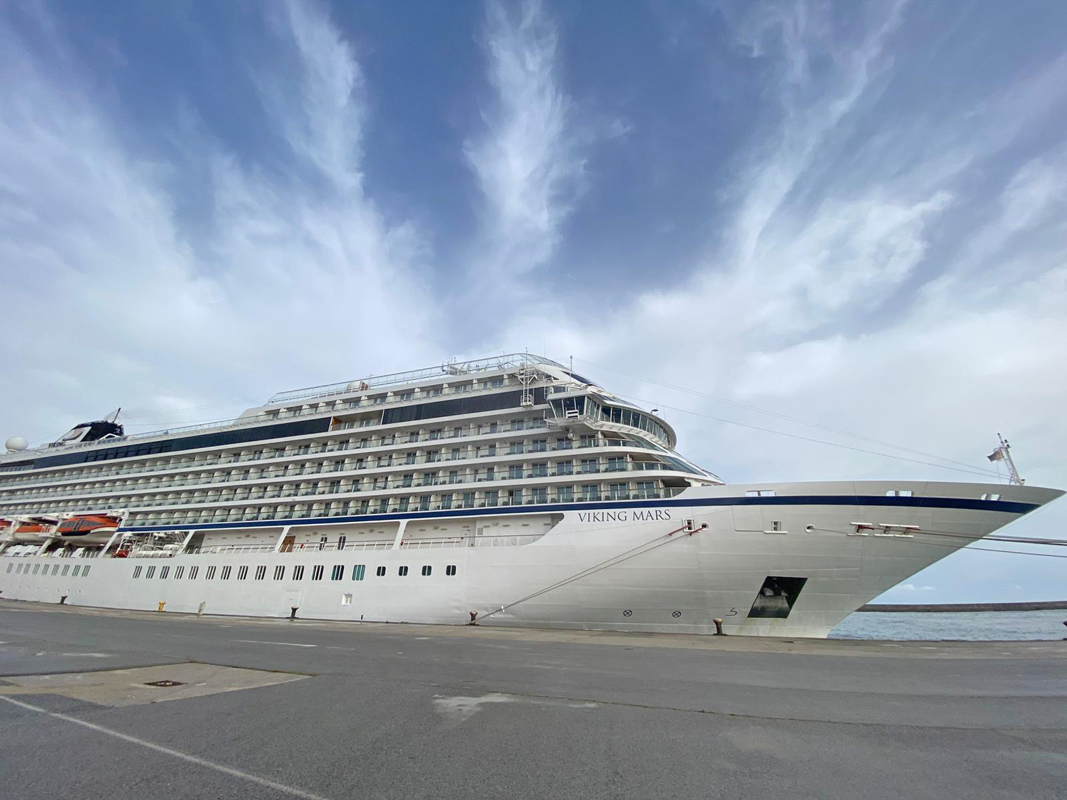
Not on the Viking Mars, where instead it is a full-on history lesson.
From Athens and the stones of the Acropolis to the ruins of Ephesus, the legendary battlefield of Troy and the two-continent crossroads of Istanbul, the Viking Mars puts you in the middle of civilizations that built empires, started wars, created myths and left behind some of the world's greatest treasures.
And then, after walking through thousands of years of history, you return to a ship where someone else worries about dinner.
That is the beauty of this journey.
The eight-night voyage from Athens to Istanbul is one of the eastern Mediterranean's most historically loaded itineraries, moving through Greece and Turkey with stops that read like chapters from a book you forgot to read and now you are living it.
The Viking Mars, which began sailing in 2022, carries approximately 930 passengers and is strictly adults-only, with guests required to be at least 18. It is the bigger, more luxurious version of the Viking experience for those who may already be familiar with the company's river cruises.
And importantly, it doesn't feel like being packed onto a floating shopping mall.
The ship is understated, Scandinavian and deliberately uncluttered, with light wood, clean lines and public spaces that manage to feel elegant without screaming look how much I paid.
The staterooms continue that philosophy, with private verandas, king-size beds, large showers and heated bathroom floors.
Yes, heated bathroom floors.
After a long day walking through ancient ruins, you will understand exactly why that matters.
Then there is the complimentary Nordic Spa, complete with sauna, steam room, snow grotto, cold plunge and hydrotherapy pool. At the stern, an infinity pool provides a front-row seat to the Aegean.
Dining is equally civilized, with Manfredi's Italian Restaurant, Chef's Table, World Café and Mamsen's Scandinavian café. Afternoon tea in the Wintergarden gives you another excuse to sit down, look out at the sea and pretend you have nowhere else to be.
ATHENS: START WITH THE ANCIENTS
My colleague and I boarded in Athens, and Viking offers opportunities to arrive early enough to explore before setting sail.
I recommend that option.
The Acropolis, Parthenon, Acropolis Museum and Plaka historic district provide the proper opening act for what follows.
Because once you leave Athens, the history keeps coming.
CRETE: WHERE EUROPE BEGINS
The first stop is Crete, home to the Minoans, considered Europe’s earliest recorded civilization.
Here, excursions move between archaeological museums, monasteries and traditional villages, with opportunities to taste local olive oil and wine.
Heraklion is the capital, but Crete is much more than a city. Mountains meet beaches, olive and citrus groves cover the landscape, and in local cafés you may hear mantinades – traditional Cretan love couplets accompanied by local instruments.
Then there is tsikoudia, the grape-based spirit distilled in the hills.
Crete doesn’t merely preserve its culture.
It still lives it.
RHODES: ENTER THE AGE OF THE KNIGHTS
Rhodes changes the story completely.
Its medieval Old Town is one of Europe’s best-preserved Crusader cities, surrounded by medieval walls and filled with cobblestone streets that eventually lead to the Palace of the Grand Masters.
The historic quarter is Europe’s largest medieval town.
Outside the city, pine and cypress forests climb the mountains while vineyards, olive groves and citrus trees thrive in the Aegean sunshine.
EPHESUS: ANCIENT STONE, EXTRAORDINARY HISTORY
Then comes Turkey and Kusadasi, gateway to Ephesus.
This is the stop where even the least enthusiastic history buff should pay attention.
The Library of Celsus, Great Theatre, Basilica of St. John and the site of the Temple of Artemis tell the story of a city that once ranked among the most important in the ancient Mediterranean.
Archaeological evidence dates Ephesus to the 10th century B.C.
And the Temple of Artemis?
One of the Seven Wonders of the Ancient World.
That is not a bad afternoon excursion.
TROY: MYTH BECOMES PLACE
At Canakkale, Troy brings Homer into the itinerary.
The archaeological ruins are tied to the legendary setting of the Iliad, making this a particularly compelling stop for anyone who grew up believing that ancient mythology was more than stories.
Then the ship heads toward its finale.
ISTANBUL: TWO CONTINENTS, ONE EXTRAORDINARY CITY
Istanbul is the kind of city that doesn't need an introduction, although it has had plenty over the centuries.
Europe and Asia meet here across the Bosphorus, which is far more than a waterway. It is a living dividing line between continents, cultures and empires.
Hagia Sophia tells much of that story itself, having served as a basilica, mosque and museum before becoming a mosque again. Its mosaics and frescoes remain extraordinary.
The Grand Bazaar and Spice Bazaar offer a completely different experience — noisy, colorful, crowded and wonderfully alive with the trading culture that has defined Istanbul for centuries.
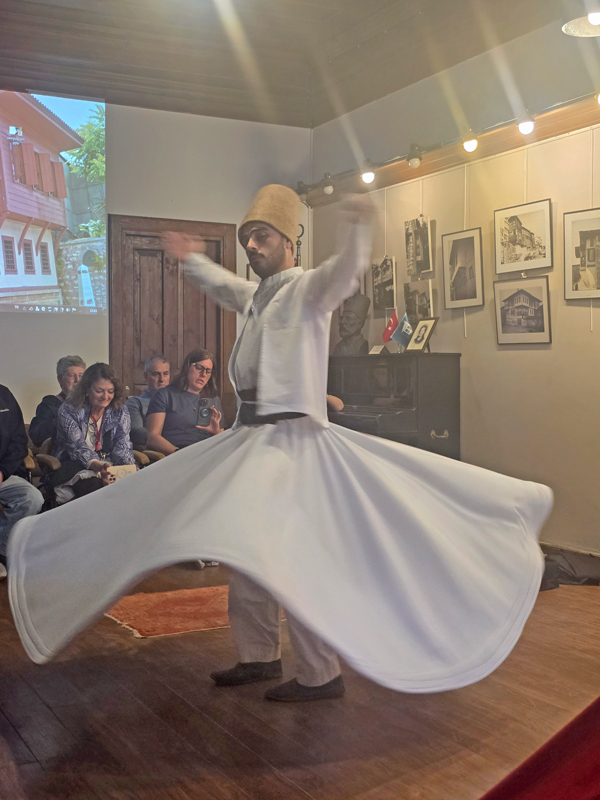
Then there are the whirling dervishes.
Members of the Mevlevi Order perform the Sema ceremony, a spiritual practice associated with the poet and mystic Rumi. The controlled spinning is not entertainment in origin but meditation, a ritual that has survived for centuries.
And perhaps that is the perfect place to end.
Because the Viking Mars journey from Athens to Istanbul isn’t about checking countries off a list.
It is about moving through the layers of civilization – Greek, Minoan, Crusader, Roman, Ottoman and modern – while someone else handles the logistics.
That is not just cruising. That’s traveling with a very good history book, a passport and a comfortable place to sleep.