
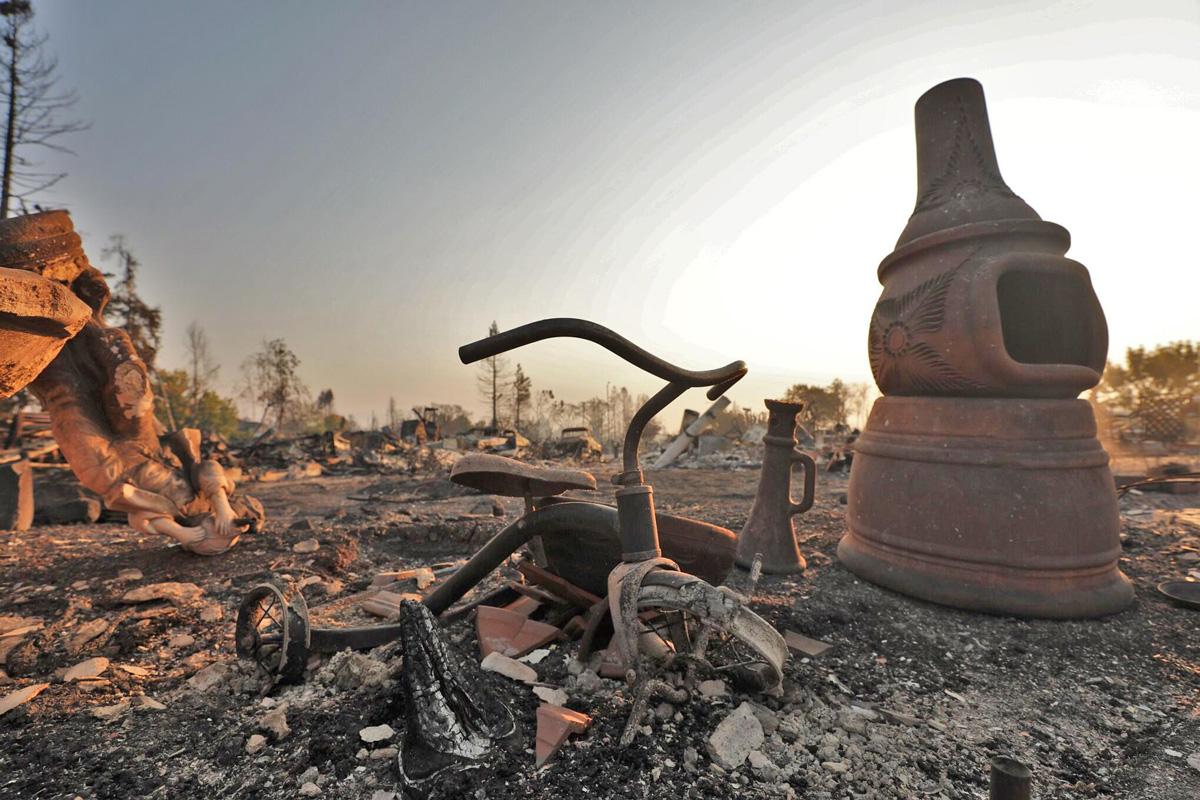
STATEPOINT – Today, one-third of all U.S. homes are in what are known as wildland-urban interface (WUI) zones, regions in or adjacent to areas prone to wildland fires.
As with many types of disasters, wildland fires are increasing in severity and frequency. However, there are things we can do now to help protect properties, ensure the safety of residents, and strengthen local communities.
Building Safety Month is an annual international educational campaign to raise awareness about building safety codes and the work of code professionals. It serves as a helpful reminder that one of the most effective ways to prepare for, prevent, and mitigate wildland fires and other natural hazards is by adopting, implementing, and enforcing up-to-date building codes and standards.
Building codes such as the International Wildland-Urban Interface Code (IWUIC) focus on the use of ignition-resistant building materials, screens to prevent embers from penetrating into eaves and under foundations, creating defensible space, and providing access to water supplies for fire services.
Fortunately, FEMA’s new Building Resilient Infrastructure and Communities (BRIC) grant program prioritizes the adoption and implementation of hazard-resistant codes like the IWUIC.
In addition to supporting the enforcement of up-to-date building codes and standards at the community level, low-cost wildland fire prevention and mitigation activities can provide homeowners with an additional layer of protection and peace of mind:
• Tidying your yard: Simple landscaping can make a big difference in the event of a wildfire, so consider regularly removing leaves, tree limbs and low-hanging branches from around your home, as well as clearing any dead brush and dense vegetation. Also, store firewood and other easily flammable things at least 30 to 100 feet away from the house, sheds, or other structures.
Furthermore, consider plants with high moisture content, which are more fire-resistive and with appropriate distance, can help create a firebreak around your home. However, it will be important to control the height and spread of ground covering vegetation.
• Maintaining your home: Keeping gutters, eaves and your roof clear of leaves and other debris is vital as these actions can help feed the flames of wildland fires.
If you’re thinking of potential renovations or remodels, consider including fire safety features on any decks, porches, fences and other add-ons. For example, consider building with listed and approved fire-resistant materials. Also consider disconnecting combustible fencing from your home and other structures and replacing those connections with fire-resistant fencing materials.
If you have a deck, remember to clear debris underneath and create a defensible space around it.
For more information about building safety and disaster preparation, visit iccsafe.org.
- Log in or Subscribe to post comments.