
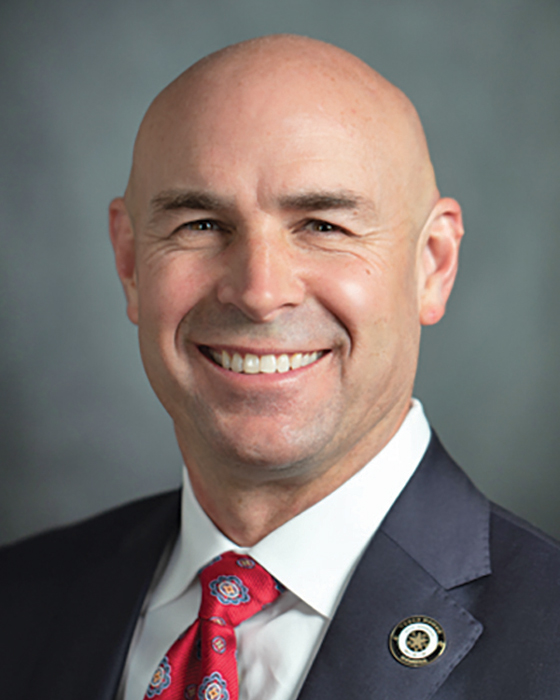
ELLIS COUNTY – It was a vote both sides of the aisle were split in many ways to the tune of Republicans and Democrats voting alongside each other pro and con.
On a Facebook post about the Ellis County’s Congressional representative lawmaker in Washington, Jake Ellzey, one person wrote, “As always, Jake Ellzey is on the wrong side of the issues. “Corporate profit over constituents and public safety. Time to investigate his donors and his investments.”
So, what was the wrong side of the issue?
Ellzey voted against the Luna-Crane amendment on April 30 along with other lawmakers who wanted to keep the glyphosate immunity provision in the bill to provide regulatory certainty for agricultural producers.
Even with Ellzey and his fellow Republican and Democratic “no” votes, the amendment passed 280–142, which meant successfully stripping the pesticide manufacturer liability shield from the Farm Bill.
Advocates of the vote, which included the Make America Healthy Again group argued it was about accountability.
The bill preserves the ability of individuals and states to sue chemical manufacturers (like Bayer/Monsanto) in civil court if they are harmed by products like Roundup.
Why would a lawmaker looking out for his constituents not want that positive amendment?
Those voting against it believed it had to do with regulatory consistency, as in the argument the immunity provision was originally intended to defer to the U.S. Environmental Protection Agency.
In the case of those who voted against it, this meant supporting the immunity argument that exposing agricultural companies to endless litigation could drive up the cost of farming supplies, which increases food prices for consumers and disrupts the agricultural supply chain.
As a note, companies like Bayer/Monsanto who stand much to lose in litigation do have strong lobbyist groups in Washington and apparently Ellzey has received at least $2,500 in campaign contributions from pesticide manufacturer-related PACs during the 2024 election cycle according to www.beyondpesticides.org/resources/failure-to-warn/bills-to-track/west-….
Also receiving money from pesticide manufacturer-related PACs, other Texas lawmakers include Dan Crenshaw (R-TX), Henry Roberto Cuellar (D-TX), Monica De La Cruz (R-TX), Lizzie Fletcher (D-TX), Wesley Hunt (R-TX), August Lee Pfluger II (R-TX), Elizabeth Ann Van Duyne (R-TX), Marc Veasey (D-TX), and Randy Keith Weber Sr. (R-TX).
Those voting for the amendment also argued that shielding massive pesticide corporations from health-related lawsuits puts corporate profits ahead of citizen safety, particularly regarding links to cancer.
Whether Ellzey’s vote was financial, it is no secret that pesticide lobbies have focused on members of Congress to protect the industry from multi-billion-dollar cancer lawsuits. One report stated, “Lawmakers receiving these funds have navigated intense pressure surrounding the ‘Bayer Protection Act’ provisions, which sought to establish federal pesticide preemption rules over state court liabilities.”
To that end critics and consumer advocacy groups argue these provisions act as a “free pass” for multinational corporations. They believe such shields have, in the past, prevented consumers and farmworkers from seeking legal recourse when harmed by toxic products, especially when EPA chemical reviews have historically lagged behind peer-reviewed scientific findings.