

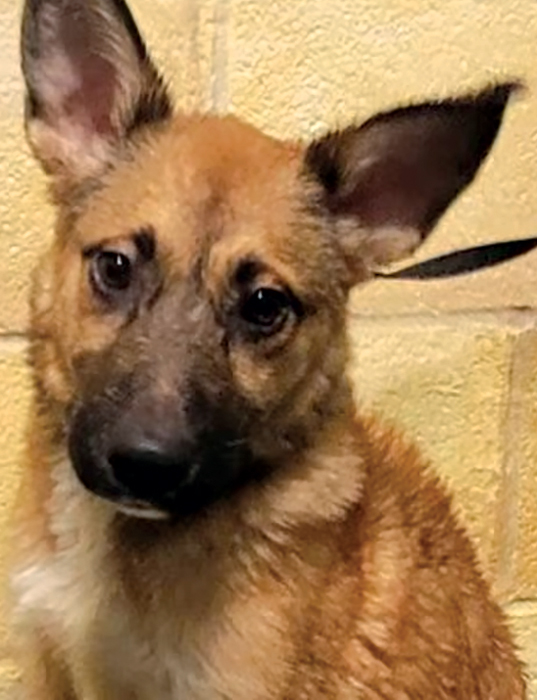
When I look at Duke, who is patiently waiting for his forever home at the City of Lancaster Animal Services, I notice his adorable ears. I’m not sure if Duke will grow into those ears, but since he is three months old, a distinct possibility. Please adopt this cute little bugger!
I am not saying that Duke will get ear infections, but it is something that we are going to talk about since he is all ears.
Scratching at ears does not always indicate ear infections, it may also be a symptom of lack of flea control, so make sure that you continue this very important preventative.
I check all my dogs’ ears when I give them their monthly heartworm/flea/tick prevention. I look for excessive amounts of dirt, wax, moisture, or foreign objects such as plant seeds, a foul-smell, or any redness or irritation.
You never put hydrogen-peroxide in a pet’s ear. You never use abrasive cloths or gauze, Q-tips, or anything harsh that will abrade the tender skin of the outside or inside of the ear.
You consistently place 100% cotton balls into each ear canal during bathing and always follow up with an ear cleaning and drying solution.
Ensure that you count your cotton balls before and after cleaning. It is crucial to avoid having any foreign objects in your dog’s ear canal. Should this happen, a visit to the emergency room becomes essential.
I use Virbac Epi-Otic advanced ear cleanser at home. This product offers quick and strong protection against infections while also functioning as a reliable daily cleaner. Veterinarians often recommend it.
Formulated with a keratolytic solution, it effectively eliminates wax and debris, helps to prevent buildup that could cause discomfort or lead to an infection, and has great ear-canal drying abilities.
– Charlotte