
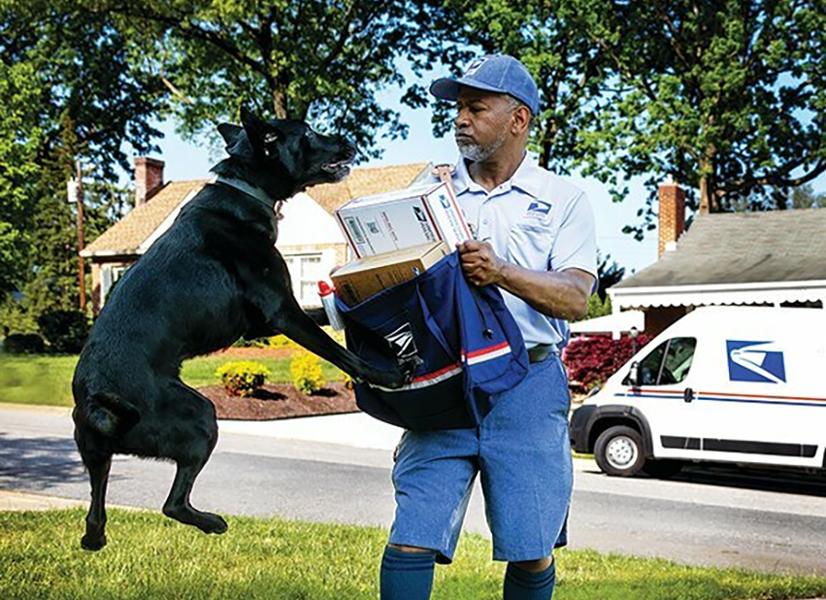
DALLAS/FT WORTH – The Dallas-Fort Worth region is among the most treacherous in Texas for USPS employees when it comes to dog attacks.
In 2023, there were 39 canine attacks on mail carriers in Dallas, while 23 Fort Worth employees suffered bites.
Putting the cities at No. 2 and No. 4, respectively, in the state for number of attacks.
Incidents involving dog attacks on Postal Service employees rose to more than 5,800 cases nationwide last year.
As part of the USPS 2024 National Dog Bite Awareness Campaign, the organization is offering crucial information on how dog owners can be good stewards for safe mail delivery and ensure the safety of our employees.
The campaign began Sunday, June 2, and runs through Sunday, June 9.
This year’s theme is “Don’t let your dog bite the hand that serves you.”
Spread the news of the campaign with the hashtag #dogbiteawareness.
“Letter carriers are exposed to potential hazards every day, none more prevalent than a canine encounter.
“All it takes is one interaction for a letter carrier to possibly suffer an injury,” said Leeann Theriault, USPS Manager, Employee Safety and Health Awareness.
“The U.S. Postal Service consistently encourages responsible pet ownership. The national dog bite campaign is an effort to promote dog bite awareness to keep our customers, their dogs, and letter carriers safe while delivering the mail.”
Letter carriers know all dogs can bite, even those perceived as nonaggressive.
Dogs are generally protective of their turf and dog owners have an important responsibility to control them to ensure safe mail delivery.
Most people know the approximate time their letter carrier arrives every day. Securing your dog before the carrier approaches your property will minimize any potentially dangerous interactions.
When a letter carrier comes to your home, keep dogs: inside the house or behind a fence; away from the door or in another room; or on a leash.
Pet owners also should remind children not to take mail directly from a letter carrier, as the dog may view the carrier as a threat to the child.
- Log in or Subscribe to post comments.