
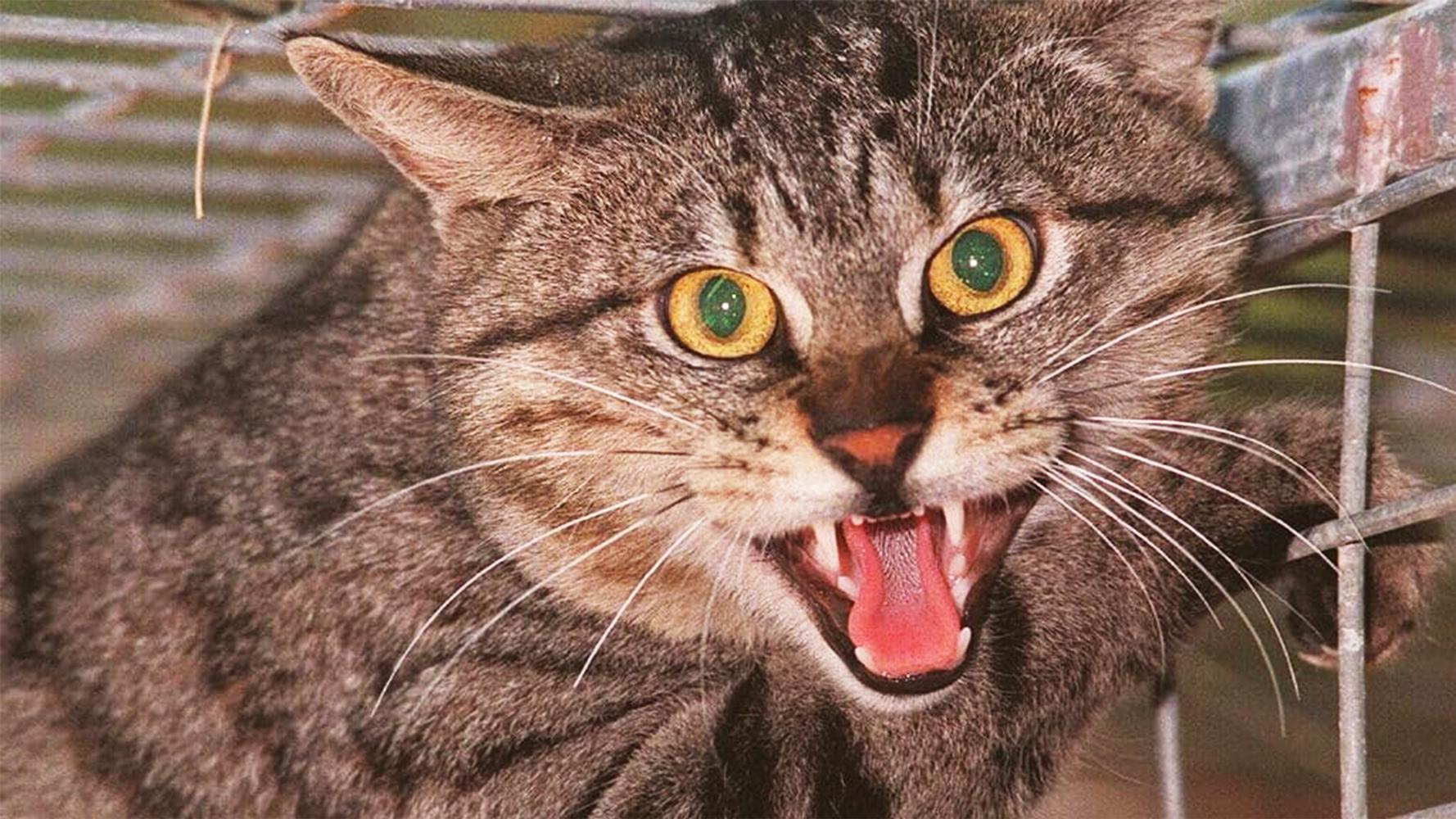
PALMER – Linda Merkich loves animals. She especially loves cats.
Forgotten Ferals is her baby so to speak, as are the hundreds of cats she and other local volunteers are feeding and taking care of from afar.
From afar because many of the cats she loves are cats that are too wild to even properly thank her.
Mistreated cats and kittens, forgotten cats and even dogs who have been left on the side of the road to fend for themselves.
Not if the organization Merkich created called Forgotten Ferals has anything to say about it though.
“I started feeding homeless cats almost 30 years ago when we lived in Dallas,” Merkich said.
“I noticed so many hungry and malnourished cats in our neighborhood. I also found out that 3.5 times more dogs are rescued and adopted than cats.”
And, while Merkich said “I love dogs also, I couldn’t help worrying that many cats are being killed each day.
“I’ve been an animal lover since as long as I can remember. I started volunteering for the Humane Society when I was 14 and have pretty much stayed with helping animals since that time.”
Right now, the volunteers at Forgotten Ferals are feeding cats in Waxahachie, Palmer and Ferris. “I know there are thousands if not more all over Ellis County,” Merkich lamented.
Merkich started Forgotten Ferals too, as a way to help unfortunate cats since she said the life expectancy of a feral cat is two years or less, if they even make it past the kitten stage.
“A lot of people in the areas where we feed the feral cats, want the cats gone, however we do not have any place to take them, so our hands are tied.
“Until we can find a location to put the cats in to be adopted and tamed, we have no other choice and we need a place to house the untamable ones.”
Like many feral cat organizations around the country the volunteers at Forgotten Ferals use humane traps to trap the cats in the afternoon or evening and hold them over night without food or water so they can be spayed or neutered the next morning.
“We also need people who are willing to house, monitor, and feed these cats until we are sure they are okay to release, which is usually about five days.
She added, “Some of these cats are very smart about traps so we try different traps to try and catch them.”
When a feral cat is spayed or neutered, the left ear is clipped off at the tip so it can be easily spotted and not trapped again.
Merkich said most feral cats start life as a kitten that a person receives from a friend.
The person does not get the kitten spayed or neutered and either the cat is allowed outside and gets lost or is often scared off by the neighborhood male cat.
Other cats are left behind because an owner either cannot afford to keep or might have lost their own place to live.
Over time this has spiraled into an overwhelming situation.
“Once a tame cat is left outside to fend for itself it can become feral amazingly fast,” Merkich said.
“And the common misconception among a lot of people is ‘it’s a cat and can fend for itself.’ That is very wrong.
“A house cat who was not born in the wild, has an extremely hard time staying alive and most die from starvation or are killed by dominant male cats in the area.”
Currently feeding up to 100 cats, Merkich concluded the bottom line is if you adopt a cat get it spayed or neutered and remember that animal is yours for the remainder of its life.
If you want to help or have questions, contact Merkich at (214) 662-1441 and watch my live interview with her this week at ECP-TV.
- Log in or Subscribe to post comments.