
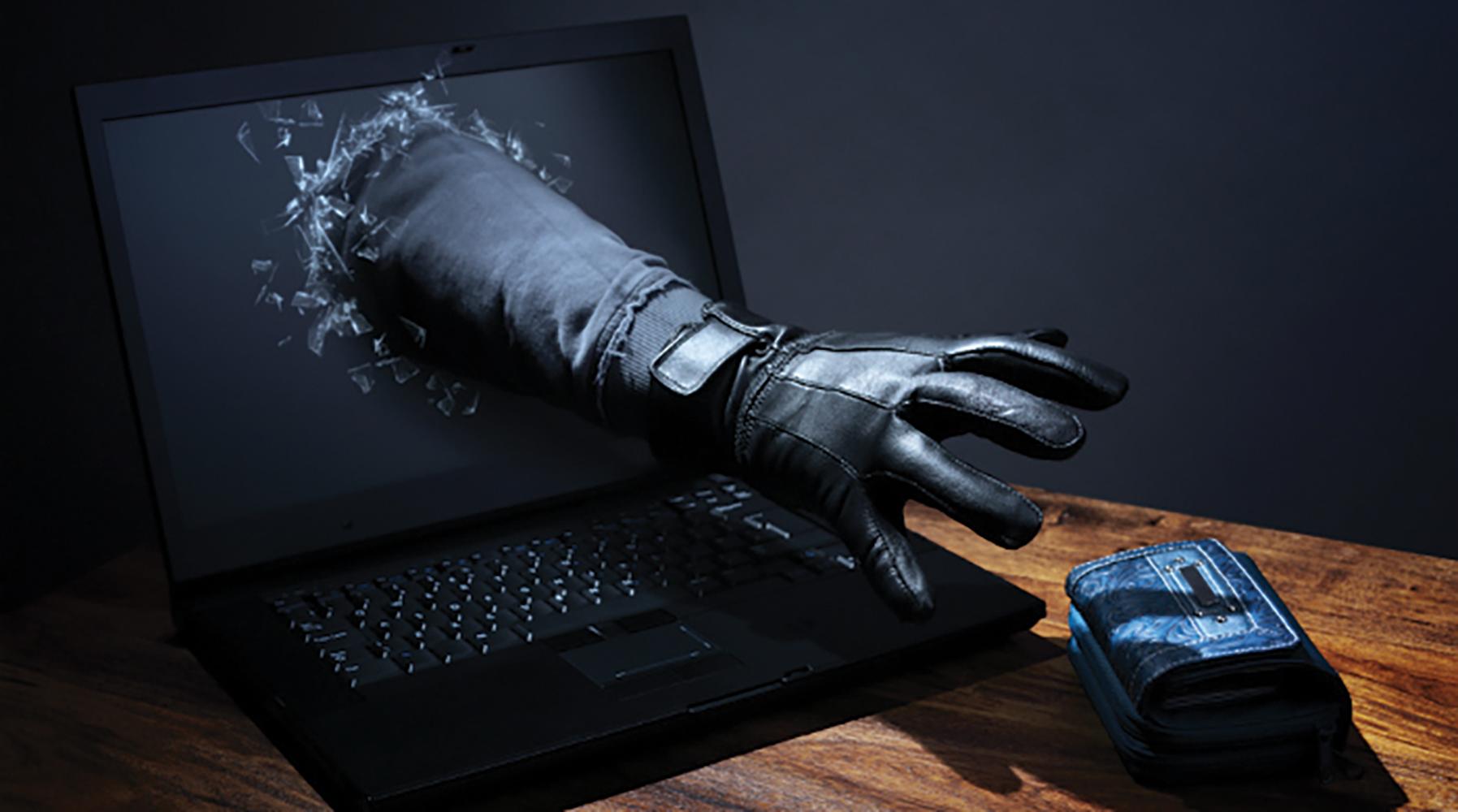
It’s a moment most people have experienced.
You’re required to show your ID for something and you wait as the person studies both your face and the photo on the driver’s license, passport, or other document, making sure you’re not an impersonator trying to pull a fast one.
These days, Artificial Intelligence (AI) is playing a role similar to that security person, with software that allows validation of IDs remotely through digital document verification.
This way you can do business through your smartphone, and someone on the other end can make sure you’re who you say you are and that a thief hasn’t stolen your identity.
And that’s especially important at a time when identity theft has been on the rise, said Stephen Hyduchak, CEO of Aver (www.goaver.com), an identity-verification service.
“Fraudsters are getting creative, but so is technology,” Hyduchak said.
“It’s important to keep up because there are so many ways to create fake documents that allow someone to claim to be you and maybe even get away with it.”
Hyduchak said there are a few categories of document fraud:
Illegitimate documents
These documents are completely false. They have characteristics such as missing holograms or other current standards that are essential parts of a legitimate version of that document.
False documents
This is a document that belongs to one person, but that another person tries to use in an effort to authenticate himself.
Modified documents
This is when an original document is altered. Hyduchak said the alterations can be caught with software that detects whether fonts and text match the originals.
How do fraudsters even get the ID documents to start with? Hyduchak said it’s a matter of data security breaches, and often a combination of more than one breach.
Just recently, the cryptocurrency exchange Binance, using a third-party Know-Your-Customer provider, was the victim of a hack that leaked over 10,000 photographs of purported Binance KYC data, which affected 60,000 people.
“On Binance, users buy and sell cryptocurrency, something that is privacy-centric by its very nature, but still vulnerable,” Hyduchak said.
“Coupling leaks like this with major data breaches like Equifax and Target, our personal information can be manipulated for the fraud with some basic Photoshop work.”
A digital verification process is one way to head off any subterfuge, Hyduchak said. For example, his company has a program that works this way:
The user captures a picture of their ID or passport using their smartphone. The user then takes a selfie to verify they are the same person pictured on the ID or passport. Facial recognition software compares the images through algorithms.
”As time goes on,” Hyduchak said, “I think you are going to see digital facial checks become the standard for ID verification, and that will eliminate most types of fraud.”
- Log in or Subscribe to post comments.