
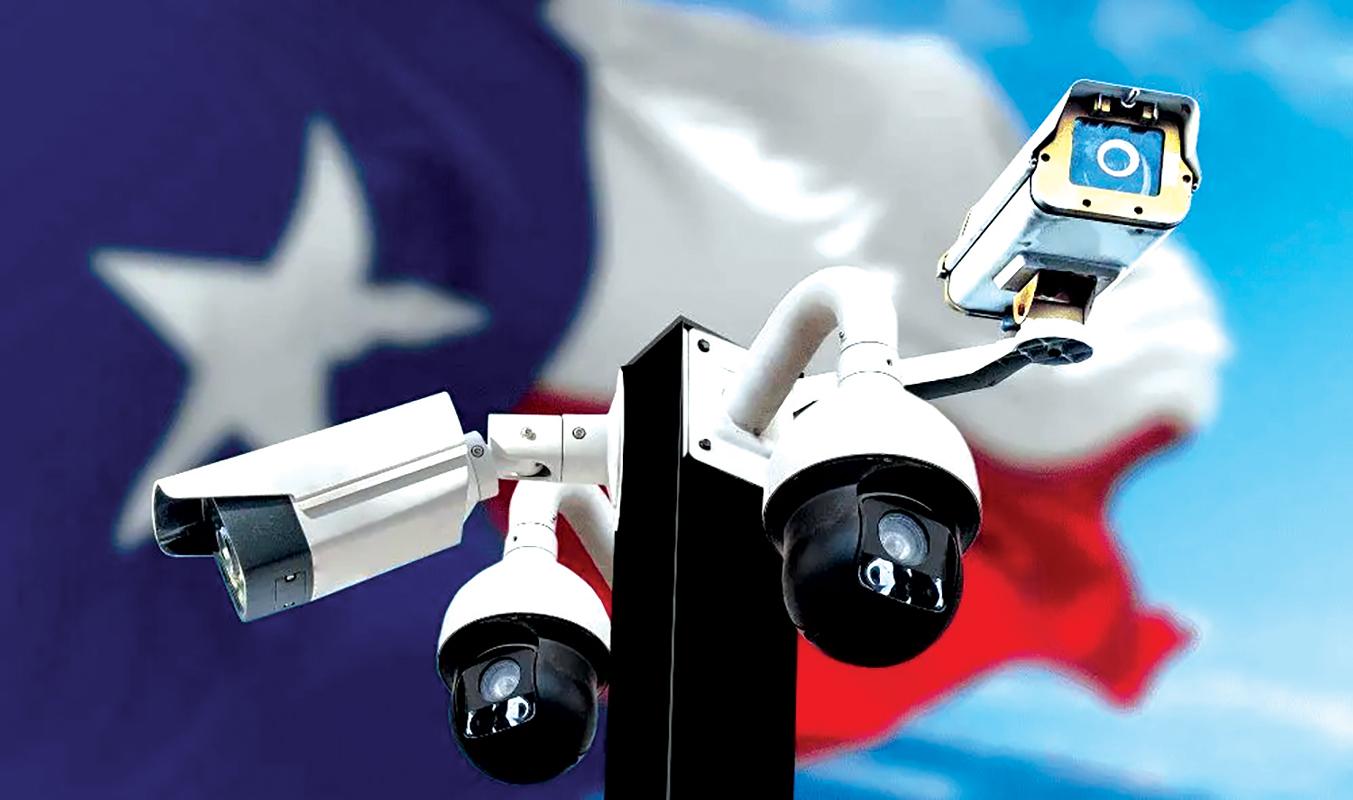
ELLIS COUNTY – A recent article in the Texas Observer stated this past summer the Texas Department of Public Safety signed a plan for over $5 million for a five-year contract for an in-depth surveillance system to disrupt possible terrorism.
The purchase is for a surveillance tool called Tangles, basically an AI tool to track mobile phones without the need for a court order.
The federal agency known as Immigration and Customs Enforcement (ICE) also uses this tool for surveillance as do other agencies, but the Texas contract is far larger than these other agencies in scope and dollars.
Local State Representative Brian Harrison filed a bill during the last legislative session to require a warrant for surveillance on Texans,
“I have real concern about an unholy marriage between big government, big tech, and the surveillance state, and I think all Americans who cherish their civil liberties should,” stated Harrison.
“I appreciate local governments working to keep citizens safe.
“However, if they want to use these tools to collect data on innocent citizens, I believe they should get a warrant. I was proud to file a bill last session to require that and will re-file it again next session.”
According to the website Project for Privacy & Surveillance Accountability, the Tangles AI device “uses artificial intelligence to scrape data from the open, deep, and dark web, combining a privacy-piercing profile of anyone it targets.
“Its WebLoc feature can track mobile devices – and therefore people – across a wide geofenced area.”
The idea behind needing to acquire such expensive, high-tech technology equipment uses the 2019 murder of 23 people at an El Paso Walmart, and other additional shooting sprees in Texas as its reasoning.
However, the Project for Privacy & Surveillance Accountability states as well,“Unclear is how DPS will proceed now that the Fifth Circuit Court of Appeals in United States v. Jamarr Smith ruled that geofence warrants cannot be reconciled with the Fourth Amendment.
“If DPS does move forward, there will be nothing to keep the state’s warrantless access to personal data from migrating from searches for terrorists and mass shooters, to providing backdoor evidence in ordinary criminal cases, to buttressing cases with political, religious, and speech implications.”
The question is if Texans will allow their freedoms to be lost at the cost of fear.
Harrison believes in the fourth amendment, which protects citizens from unreasonable searches and seizures by the government and said, “Texas must lead in the defense of individual liberty, and we must never become a police state.
“I believe government actions with significant privacy implications need legislative involvement. I have reached out to DPS for more information on the contract. I want to ensure, whether intentional or not, that no Fourth Amendment violations are occurring.”
- Log in or Subscribe to post comments.