
ELLIS COUNTY – Extreme temperatures are being called for again this week in North Texas, and cities like Wilmer and Ferris have put out daily extreme heat warnings to residents as a reminder that indeed everything is bigger in Texas – and that goes for the heat index too.
Expect extreme heat and humidity to significantly increase the potential for heat related illnesses, particularly for those working or participating in outdoor activities.
The Dallas Health and Human Services explained heat-related illness as being “heat exhaustion, heat cramps, and heat stroke (also known as sun stroke)” which is caused by “prolonged or intense exposure to hot temperatures.
As your body works to cool itself under extreme or prolonged heat, blood rushes to the surface of your skin, reducing the amount of blood which reaches your brain, muscles, and other organs.
This decrease in blood flow can interfere with both your physical strength and your mental capacity, which may lead to significant health risks and even death.”
The heat North Texas is experiencing now has been brought on by what meteorologists are calling a “heat dome.”
Record high temperatures are being expected around the state and reportedly in parts of west Texas this week it could reach up to 110 degrees with no relief in sight before the Fourth of July holiday.
Following are a few pet summer safety tips to remember as the summer scorches on this year
Do not leave your pets in the hot, parked car. Just don’t. Temperatures inside a vehicle can rise rapidly to dangerous levels.
Pay attention to the humidity.
“It’s important to remember that it’s not just the ambient temperature, but also the humidity that can affect your pet,” Dr. Barry Kellogg, VMD, of the Humane Society Veterinary Medical Association said.
“Animals pant to evaporate moisture from their lungs, which takes heat away from their body.
If the humidity is too high, they are unable to cool themselves and their temperature will skyrocket to dangerous levels – very quickly.”
Limit exercise on hot days. Regulate the intensity and duration of exercise based on the temperature.
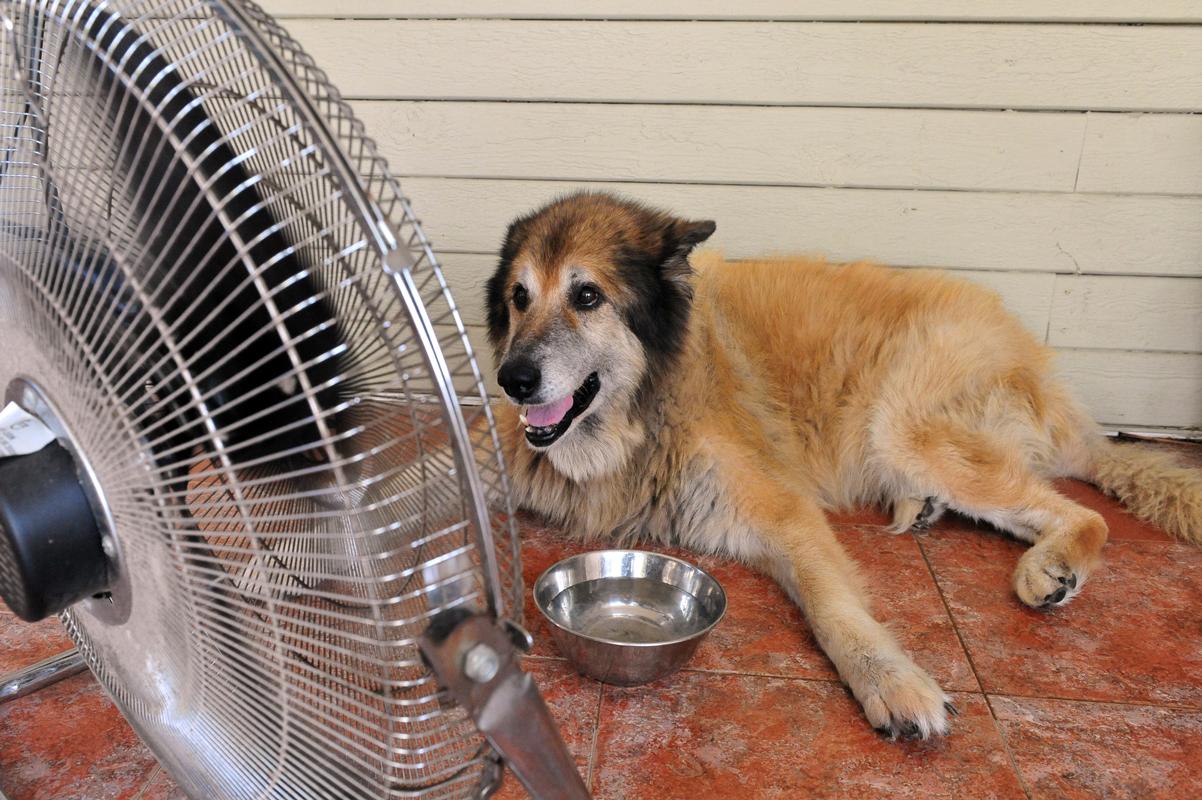
Proper shade and water are of high importance. When your pet is outside, make sure there is protection from heat and sun and plenty of fresh, cold water.
Watch for signs of heatstroke. Signs include heavy panting, glazed eyes, a rapid heartbeat, difficulty breathing, excessive thirst, lethargy, fever, dizziness, lack of coordination, profuse salivation, vomiting, a deep red or purple tongue, seizure, and unconsciousness.
If your pet does experience a heatstroke move the animal into the shade or an air-conditioned area and apply ice packs or cold towels to their head, neck and chest or run cool (not cold) water over them. Let them drink small amounts of cool water or lick ice cubes, and take them to a veterinarian.
- Log in or Subscribe to post comments.