

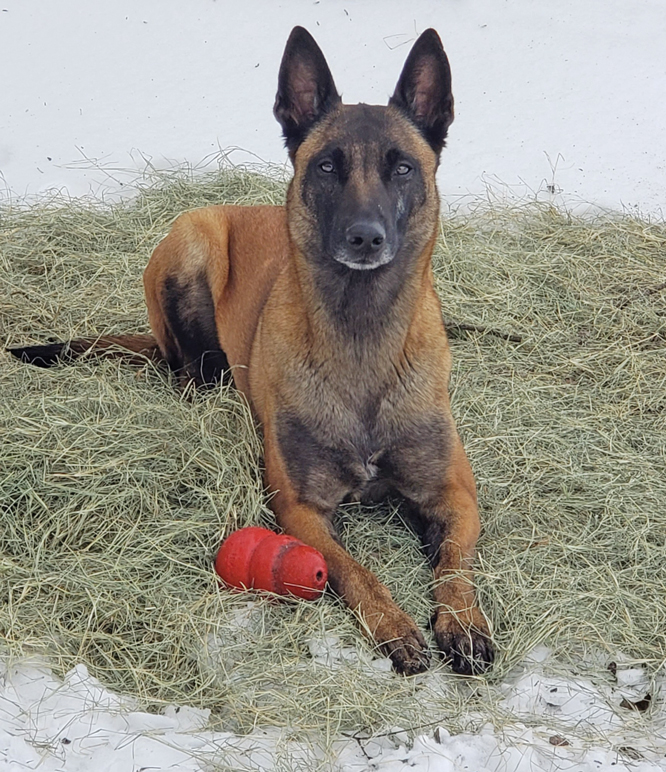
This season often brings opportunities to experience snow or travel with pets to snowy locations, and as a responsible pet owner, it is essential to plan ahead and prepare accordingly to make sure you’re prepared for hypothermia risks.
Dogs’ paws are at risk of frostbite when temperatures fall below 32°F, especially if their paws are wet, which further increases the likelihood.
Factors such as the dog’s size, health condition, coat thickness and density, as well as age, all play a role in determining whether it is safe for your pet to enjoy a day in the snow.
Unprotected feet can develop frostbite in 10–30 minutes, with windchill affecting pets just as it does with people. Set a phone timer to avoid losing track of time while playing in the snow with your dog.
If you recall, a normal temperature for a dog is 100.5° – 102.5°. If the body temperature is 86-89.5°F, your pet is classified as mild hypothermia. Anything else, you should immediately go to an ER.
A rectal temperature is the most accurate way to tell if your pet is cold. Shivering can also be caused by excitement, not just cold.
I keep a quick-read, flex-tip thermometer in my pet emergency kit.
It is advisable to utilize warm blankets and ensure the pet is thoroughly dried. Do not use hot water or rapidly apply heat, as gradual warming is essential for the animal’s safety.
Severe hypothermia can cause your pet to go into shock.
It is important to exercise caution when selecting paw protection, as less expensive brands often use plastic or low-quality rubber that may freeze after prolonged exposure to outdoor elements. For individuals with high-energy working dogs who spend more than 30 minutes outside in temperatures below 32°F, it is advisable to provide appropriate protection.
A final reminder, when venturing outdoors to play in the snow, ensure your pet is securely leashed before exiting. Snow and ice present slippery conditions, which may cause your dog to lose traction suddenly, potentially resulting in injuries such as a torn ACL, TPLO complications, or back strain.
– Charlotte